
Advertisements
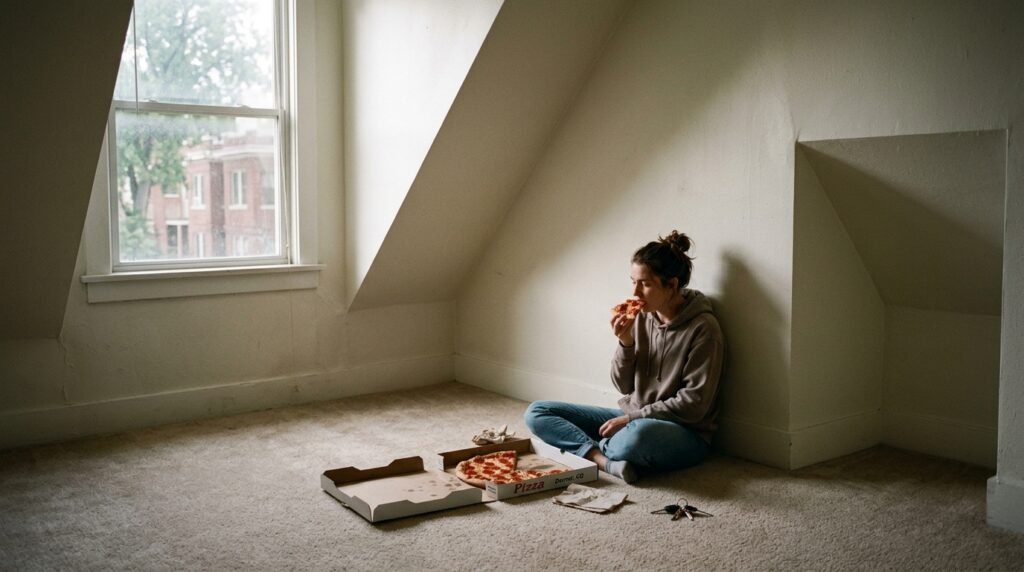
Sitting on the floor of a completely empty room while eating takeout pizza is a universal rite of passage. You look at the blank white walls and the weird beige carpet and panic slightly about the massive task ahead. The process of decorating your first apartment feels completely overwhelming when you have zero furniture and a tiny budget.
My first place in the Capitol Hill neighborhood of Denver had bizarrely angled walls and zero overhead lighting. I bought a used futon for fifty dollars and cried when it would not fit up the narrow stairwell. You quickly learn that building a home from scratch requires patience rather than a massive credit card limit.
The real secret to decorating your first apartment
Most people rush out and buy a bunch of cute throw pillows before they even own a sofa. This backward approach leaves you with a pile of accessories and nowhere to actually sit. You need a solid plan before you spend a single dollar at your favorite home goods store.
Grab a roll of blue painter’s tape and map out the exact dimensions of potential furniture on your floor. This highly specific visual trick prevents you from buying a coffee table that completely blocks your narrow hallway. Walking around the taped outlines proves whether a piece actually fits your daily traffic flow.
Focus on the absolute essentials first
Your mattress and your main seating area require the largest chunk of your initial budget. A terrible mattress ruins your back and a bad sofa makes your living room totally unusable. Save your money for these anchor items and buy them brand new if your budget allows it.
Anúncios
You can always find cheap side tables and lamps at local thrift stores later on. When decorating your first apartment, prioritizing comfort over aesthetics during the first month saves you massive headaches down the road.
Establish a realistic timeline and budget early
Social media makes us believe a home should look completely finished within forty-eight hours of moving in. Real life moves much slower when you pay your own rent and work a full-time job. You should expect the design process to take several months or even a full year to complete.
Living in an unfinished space actually helps you understand exactly how you use the rooms daily. You might realize the sunny corner needs a reading chair instead of the bookshelf you originally planned. Taking your time is a crucial part of decorating your first apartment without wasting money on useless items.
Hunting for secondhand treasures
I furnished half of my Denver apartment by scouring the Goodwill locations along South Broadway on Saturday mornings. You can score solid wood dressers and unique dining chairs for a fraction of their original retail price. Just check the cheapest way to decorate a living room from scratch to master the art of budget shopping.
A coat of fresh paint fixes almost any superficial scratch on a solid vintage wooden table. Mixing old thrifted pieces with new items gives your space a collected, expensive look right away.
Learn to layer your lighting immediately
Landlords love installing the cheapest, harshest overhead light fixtures right in the center of your ceiling. Turning on that single bulb casts terrible shadows and makes your home feel like a cold waiting room. You must bring in alternative light sources to create a warm and cozy atmosphere at night.
Design experts at Apartment Therapy suggest having at least three different light sources in every single room. You need a mix of floor lamps, table lamps, and small accent lights to balance the brightness perfectly.
Choosing the right light bulbs
Always buy warm white LED bulbs that hover around the two thousand seven hundred Kelvin mark. This specific color temperature mimics the gentle glow of a sunset rather than a harsh hospital corridor. Fixing the lighting changes the entire mood while decorating your first apartment on a tight budget.
I keep a small amber-tinted lamp on my kitchen counter to avoid turning on the bright overhead fluorescent tubes. Soft lighting hides ugly rental carpet and makes cheap furniture look significantly more sophisticated.
Anchor your layout with the right size rug
Most beginner apartments feature standard-issue beige carpeting or severely scratched laminate wood floors. You cannot rip the flooring up but you can absolutely cover the worst parts with a massive area rug. A rug acts as a visual anchor that groups your floating furniture into a deliberate zone.
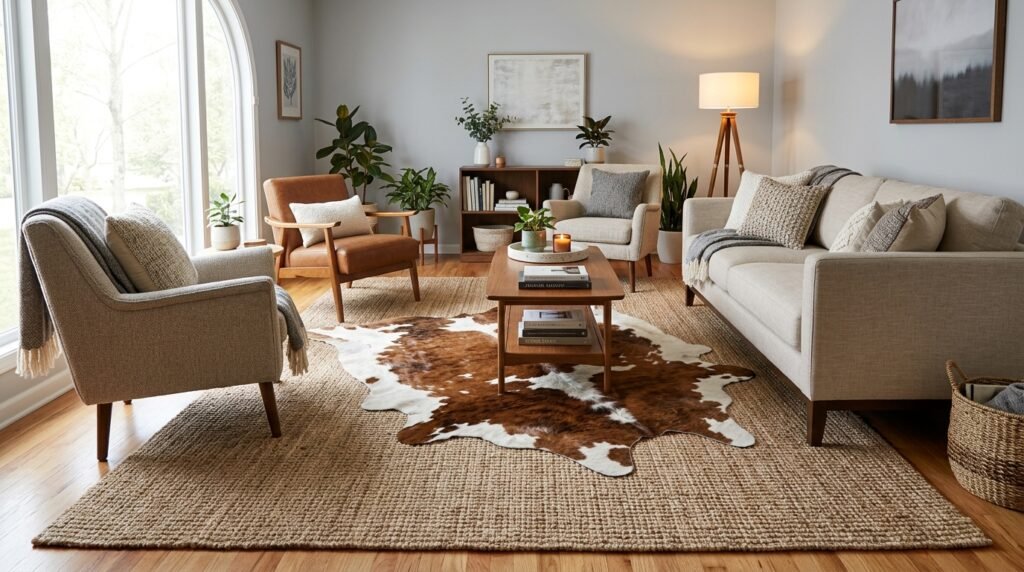
People constantly make the mistake of buying a tiny rug that simply floats like an island under the coffee table. This visual error chops the room in half and makes your small living area feel incredibly chaotic. You need a rug large enough for the front legs of your sofa and chairs to rest on top of it.
Finding affordable large rugs
Large rugs often cost a small fortune at traditional retail stores. I rely heavily on Amazon and discount home stores to find massive eight-by-ten rugs for under a hundred dollars. A cheap, thin rug still provides the necessary boundary lines to define your living room space perfectly.
You can even layer a smaller, textured faux cowhide over a cheap jute rug for a custom layered look. Fixing your floor plan with textiles is a massive step in designing your space successfully.
Maximize vertical storage to clear your floors
Small rentals lack adequate closet space and force you to get creative with your daily clutter. Pushing all your belongings into the corners of the room quickly shrinks the available square footage. You have to start looking up at the empty vertical air space above your furniture.
Installing tall bookcases draws the eye upward and makes low ceilings feel significantly higher. You can use the bottom shelves for heavy closed storage and the top shelves for displaying your favorite books.
Utilizing the space under your bed
Do not let the massive footprint under your mattress go to waste. Buy flat plastic bins to store your off-season clothing and extra winter blankets completely out of sight. Managing hidden storage is essential when decorating your first apartment in a cramped urban building.
If you struggle with organization, review 9 small apartment decorating ideas that actually work for practical storage solutions. Keeping the floor clear of clutter makes your tiny footprint feel twice as large.
Protect your security deposit at all costs
You want to personalize your space but you also want your safety deposit back when you eventually move out. Drilling massive holes into the drywall to mount a television usually violates a standard lease agreement. You must embrace temporary solutions that leave absolutely no trace behind.
Heavy-duty adhesive hooks hold large picture frames securely without requiring a hammer or nails. You just pull the tab slowly when it is time to pack up and the wall stays pristine.
Trying out removable wallpaper
Peel and stick wallpaper completely changes a boring bathroom without causing permanent damage to the paint underneath. You can apply it to a single accent wall in an afternoon and peel it off like a giant sticker later. Discovering how to decorate a rental apartment without losing your deposit gives you the freedom to take design risks.
I used a bold botanical print in my tiny entryway to distract from the ugly scuffed baseboards. It created a massive impact and my landlord never even knew it existed once I moved out.
Swap out the cheap plastic window blinds
Property managers love installing cheap plastic vertical blinds that rattle loudly every time the heater kicks on. They look terrible and they block a significant amount of natural light even when they are fully open. You do not have to live with these depressing corporate window treatments during your lease.
You can usually unclip the plastic slats and store them safely under your bed until move-out day. Replacing them with soft fabric panels instantly upgrades the entire aesthetic of your room.
Hanging curtains high and wide
Buy an adjustable tension rod if you cannot drill holes into the wall for permanent curtain brackets. Hang the rod as close to the ceiling as possible rather than right on the window frame. This specific trick draws the eye upward and makes your standard eight-foot ceilings feel much taller.
Extend the rod a few inches past the edges of the window to make the glass appear wider. It costs very little but dramatically impacts the overall success of decorating your first apartment on a tight budget.
Bring life in with organic textures and plants
A room filled entirely with flat-pack furniture and rigid plastic bins feels stiff and uninviting. You need organic shapes and natural textures to soften the harsh angles of cheap modern decor. Adding a few living elements changes the air quality and the visual energy of the room.
Adopting low-maintenance greenery
You do not need a green thumb to keep a basic snake plant or pothos alive in a shady corner. According to The Spruce, bringing nature indoors reduces stress and makes a house feel occupied. Even one single healthy plant breathes life into a stagnant rental unit.
I keep exactly two sturdy plants and rely heavily on woven seagrass baskets to bring warmth into my living room. Throwing a textured cotton blanket over the back of your cheap sofa also breaks up the rigid lines beautifully. Adding these soft touches remains the most rewarding part of decorating your first apartment because it finally makes the space yours.
Edit your belongings ruthlessly
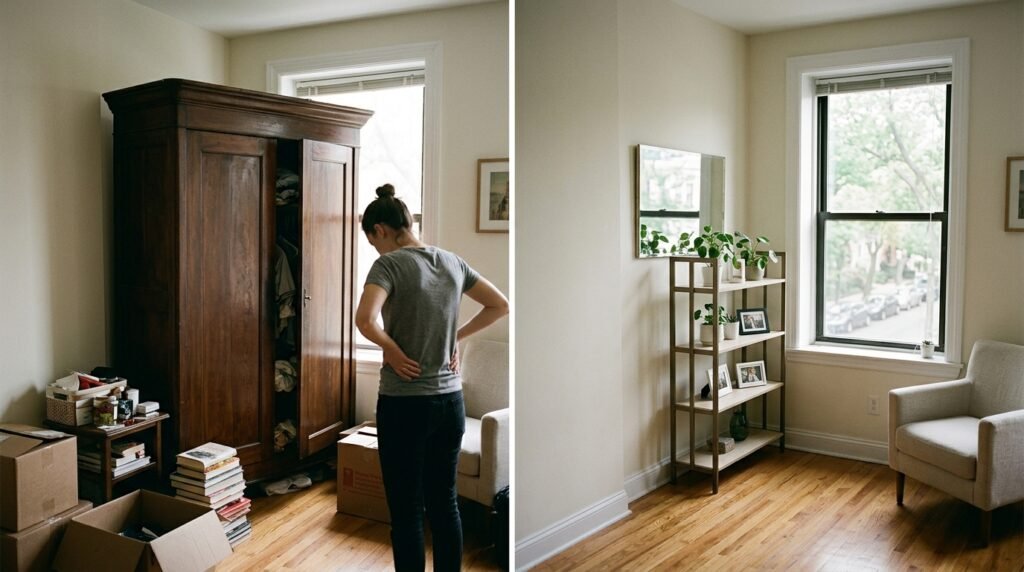
Bringing too much stuff into a small layout creates instant visual anxiety. You have to evaluate every single object and decide if it truly serves a purpose or brings you joy. Hanging onto bulky hand-me-down furniture just because it was free often ruins a great floor plan.
If your aunt gives you a massive wooden armoire that blocks your only window, politely decline the offer. Free furniture costs you valuable peace of mind if it makes your home feel dark and cramped.
Curating a cohesive look
Stick to a tight color palette for your largest items to keep the visual noise to a minimum. You can always introduce fun pops of color through small accessories that are cheap to replace later. Keeping a cohesive base helps tremendously when you are still learning the ropes of interior design without professional help.
The space will naturally evolve as your personal taste matures and your budget grows over the years. You just need to create a comfortable foundation that supports your daily routines right now.
Start tonight by taping out your ideal bed placement before you order any heavy furniture online. The slow and deliberate approach to decorating your first apartment guarantees a space you actually love coming home to every single day.

Fabiana Moura is a decor enthusiast and renter based in Denver, CO. After five moves in eight years, she became obsessed with making small spaces feel like home — without renovation, without a big budget, and without losing the security deposit. At Inovaty, she shares everything she’s learned along the way.