
Advertisements
Staring at four blank white walls makes a tiny sleeping area feel exactly like a sterile hospital room. You want to add some distinct personality but fear dark paint will turn your rented box into a terrifying cave. Finding the right bedroom color combinations solves this exact design problem instantly. You can build a cozy sanctuary without making the floor plan feel physically smaller or cramped.
When I rented a two-hundred-square-foot studio in Denver’s Capitol Hill, the walls featured a horrible builder-grade yellow paint. It made my cheap IKEA mattress look permanently dingy and ruined my sleep cycle entirely. I realized that balancing warm and cool tones strictly dictates how your brain perceives the actual room size.
You do not have to paint an entire room bright white just because the square footage is lacking. You simply need to anchor the heavy shades in the right physical locations. Keeping the ceiling a flat, bright white remains a non-negotiable rule.
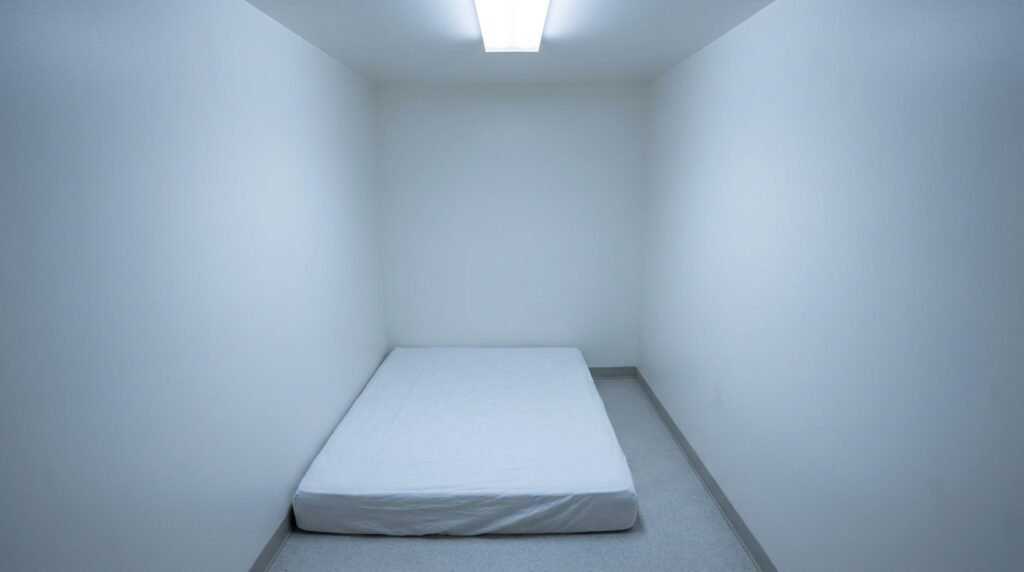
Understanding how bedroom color combinations trick the eye
The human eye interprets light and shadow very predictably. Light shades push walls outward and create the optical illusion of extra breathing room. Dark shades pull surfaces closer and absorb natural sunlight completely.
Understanding this basic logic allows you to manipulate the physical boundaries of your apartment. Painting the wall furthest from your bedroom door a dark color makes that wall recede visually. It tricks your brain into thinking the room stretches back much further than it actually does.
Anúncios
The power of the 60-30-10 rule
Interior designers use a strict mathematical formula to balance shades in tight quarters. You assign sixty percent of the room to your main neutral base. Thirty percent goes to your secondary support color.
The final ten percent belongs strictly to your bold accent shade. Applying this exact ratio prevents the room from feeling chaotic or visually overwhelming. It gives your eyes a clear, logical place to rest at the end of a stressful day.
Following this mathematical approach keeps you from buying random items that ruin the aesthetic. Preventing bad purchases helps you fix common small bedroom layout mistakes and how to fix them.
Soft sage green and warm cream
Green acts as an incredible neutral base when you select a muted, earthy shade. A soft sage green brings the outdoors inside and immediately lowers your heart rate. It pairs perfectly with warm cream textiles instead of stark, sterile white.
Stark white creates a massive, jarring contrast against muted green. Warm cream softens the transition between the walls and your bed sheets. It makes the entire room feel like a foggy morning in the mountains.
Grounding the green with natural wood
You must introduce your ten percent accent color through natural wood tones and organic textures. I keep a large woven water hyacinth basket from Target right next to my nightstand. The warm brown fiber cuts through the cool green perfectly.
You can also incorporate a raw oak bed frame or floating pine shelves. The wood grain provides a necessary grounding element that keeps the green from looking like a cartoon forest. Natural textures prevent the room from feeling completely flat or artificial.
Moody navy blue and crisp white
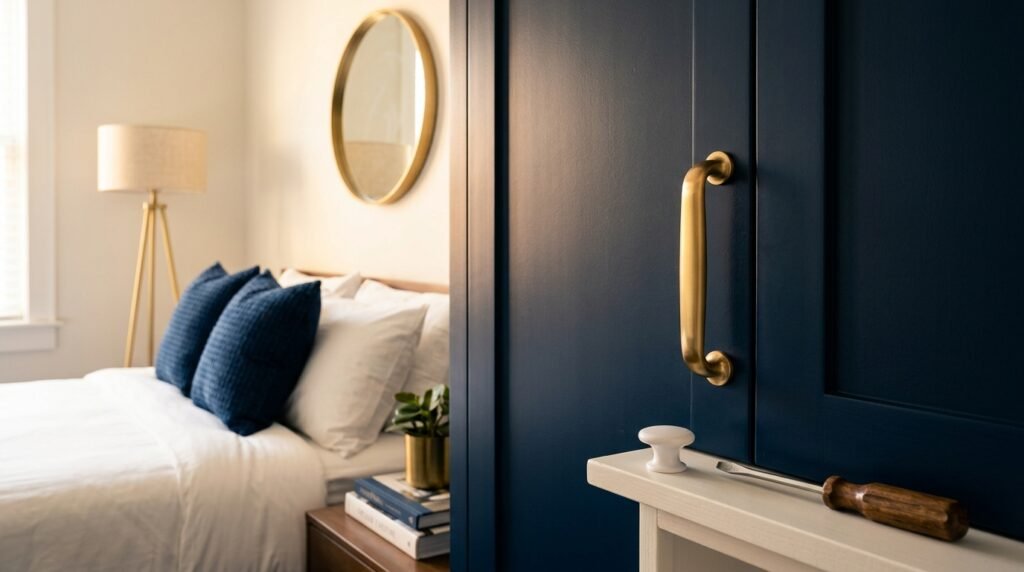
Many renters avoid dark paint entirely because they think it shrinks the room instantly. Navy blue actually creates a beautiful optical illusion called receding space. A dark wall blurs the physical boundaries of the room at night.
The dark surface mimics the night sky and makes the walls feel almost endless. You must balance this intense depth with crisp, bright white bed sheets. A solid white duvet cover reflects the ambient light back into the space.
Adding metallic accents for warmth
Navy and white can feel slightly nautical or completely cold if left alone. You need warm metals to raise the visual temperature of the harsh contrast. Brass or gold hardware completely changes the mood of the room.
Swap out your cheap plastic closet knobs for heavy brushed brass pulls. This tiny detail costs roughly fifteen dollars on Amazon and requires only a screwdriver. It immediately makes the dark paint look highly intentional and incredibly expensive.
You can learn more about layering these specific elegant details by reading how to style a small bedroom to feel like a boutique hotel.
Warm terracotta and soft beige
Cool tones often feel uninviting during freezing Denver winters. You want your sleeping space to feel like a warm hug when the heavy snow starts falling. Terracotta provides massive warmth without acting like an aggressive primary red.
Terracotta features muddy brown undertones that keep the shade completely grounded and calm. Pairing it with a soft, sandy beige creates a gorgeous desert-inspired aesthetic. It looks incredibly sophisticated and highly relaxing.
Using textiles instead of paint
Landlords often prohibit painting the apartment drywall completely. You can easily apply this specific palette using strictly your bedding and heavy curtains. Buy a rust-colored linen duvet cover and layer it over soft beige cotton sheets.
Hang heavy beige blackout curtains to soften the hard edges of the window frame. A large terracotta throw pillow on the bed completes the visual triangle. You get the exact same warm impact without touching a messy paint roller or risking your security deposit.
Exploring tone-on-tone bedroom color combinations
Sometimes high contrast creates way too much visual noise in a very tiny box. A tone-on-tone approach uses different shades of the exact same color family. This monochromatic strategy forces the ceiling to feel incredibly high.
When the walls, the bedding, and the rug all share a similar hue, the physical boundaries disappear. Your eyes do not stop abruptly at the corner of the room. They glide smoothly across the continuous color palette.
The calming gray scale
Layering different tones of warm gray creates a sophisticated, cloudy atmosphere that promotes deep sleep. You paint the walls a very pale dove gray. You add a medium charcoal upholstered bed frame.
You finish the bed with a dark slate throw blanket draped across the footboard. The lack of sharp color transitions lets your eyes rest completely. It feels exactly like a high-end luxury hotel suite tucked away in the city.
Breaking up the gray with texture
A completely gray room quickly looks like a concrete bunker if you forget to add texture. You must mix velvet, linen, and chunky knits to keep the eye engaged. Texture replaces the visual interest that high contrast usually provides.
Buy a chunky knit charcoal blanket and place it over a smooth pale gray linen duvet. The physical shadows created by the thick yarn add massive depth to the flat surface.
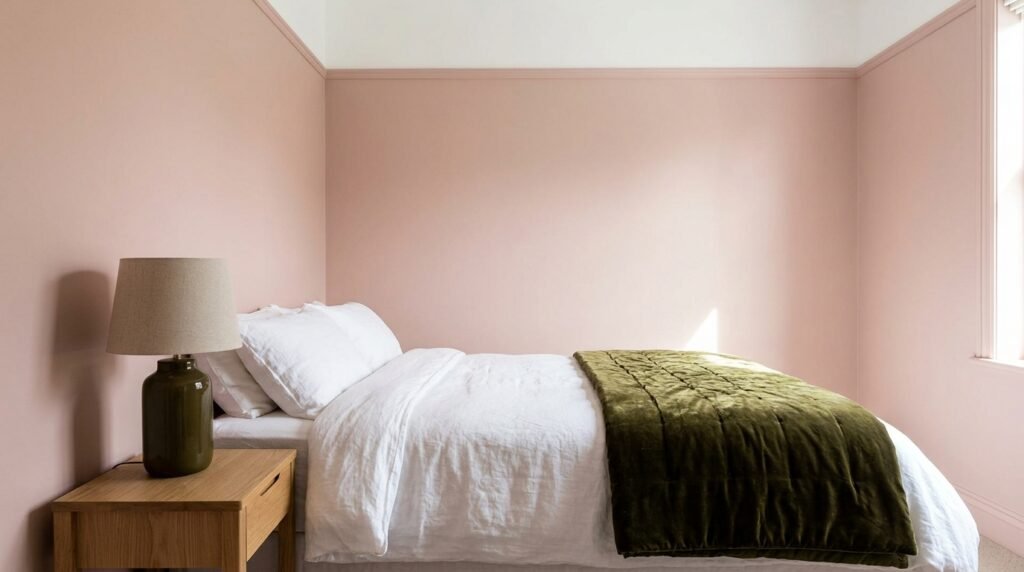
Blush pink and dark olive
Pink completely shed its childish reputation over the last five years. A dusty, muted blush pink acts perfectly as a warm neutral base in a tight space. It flatters human skin tones beautifully and makes the room glow softly in the morning.
Pairing blush with dark olive green grounds the feminine shade immediately. The muddy green adds a masculine, earthy counterweight to the soft pink walls. This creates a beautifully balanced room that appeals to absolutely everyone.
Implementing the olive accents
Paint the walls a soft blush pink and keep the ceiling bright white. Buy a heavy dark olive velvet quilt and place it strictly at the end of the mattress. The heavy velvet adds incredible luxury and grounds the bottom half of the room.
Place a dark olive ceramic lamp directly on your nightstand to pull the dark shade upward. This creates a vertical sightline that makes the walls feel much taller.
Testing your paint samples correctly
Never buy a full gallon of paint based solely on a tiny paper swatch. Hardware store fluorescent lighting completely distorts how the pigment actually looks in real life. You must see the shade inside your specific apartment before committing.
Buy three small sample pots of your favorite shades. Bringing the physical paint into your home is the only way to see how the natural light affects the undertones.
The brilliant paper plate trick
Here is a highly practical tip for testing shades without making a massive mess on your drywall. Paint a heavy coat of your sample color onto a large white paper plate. Tape the dry plate to your wall using rolled painter’s tape.
Move the plate to different walls throughout the day to see how the shifting sunlight hits it. The shade will look completely different at noon than it does at midnight. This prevents costly mistakes and wasted weekends.
Taking the time to test your options properly saves you money. This careful planning mirrors the exact process outlined in how to paint an accent wall on a rental budget.
A tiny sleeping area does not have to remain a boring white box just because you rent the apartment. Choosing the perfect bedroom color combinations creates a massive visual impact for the price of a single paint can. Go buy three sample pots today and tape those painted paper plates to your wall before dinner.

Fabiana Moura is a decor enthusiast and renter based in Denver, CO. After five moves in eight years, she became obsessed with making small spaces feel like home — without renovation, without a big budget, and without losing the security deposit. At Inovaty, she shares everything she’s learned along the way.