
Advertisements
Waking up in a dark, cramped apartment feels incredibly stifling. My second rental in the Baker neighborhood of Denver featured one tiny north-facing window. The living area felt like a heavy concrete box by three in the afternoon. I had zero budget for a massive renovation and my lease strictly forbade structural changes. I desperately needed a way to trick my brain into seeing space that did not physically exist.
Glass and light became my absolute best friends in that tiny unit. You do not have to accept a dark footprint as a permanent reality. Placing a reflective surface strategically completely alters the physical perception of a tight layout. It bounces whatever natural sunlight you have deep into the darkest corners of your home.
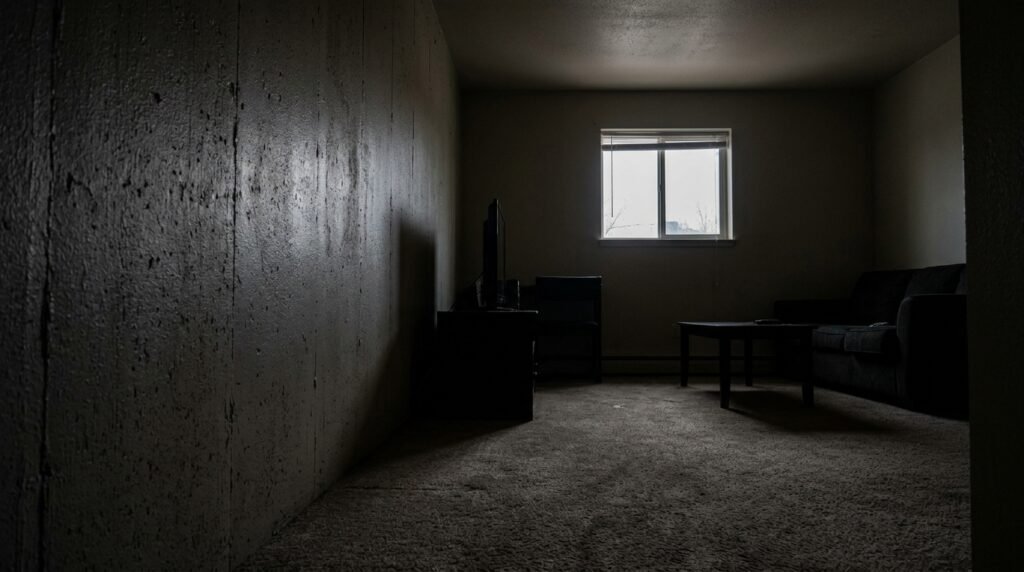
Using mirrors to make room look bigger effectively
Slapping a small piece of glass on the wall randomly rarely solves the problem. You need a deliberate strategy to maximize the optical illusion. The placement matters just as much as the actual size of the frame. You have to treat the glass exactly like an extra window.
Many renters buy tiny, cheap pieces and scatter them around the room. This actually creates visual clutter and chops up the wall space in a bad way. Using mirrors to make room look bigger requires a strong commitment to scale. One large, heavy piece works significantly better than five tiny ones.
Finding the right scale for your wall
A tiny reflection simply reminds you of how small the room actually feels. You want the glass to reflect large portions of the floor and ceiling simultaneously. This tricks the eye into believing the room continues past the physical drywall.
Anúncios
Always measure your available wall space before buying anything. You want the frame to take up at least half the height of your wall for maximum impact. A massive frame anchors the room and makes the entire layout feel expensive.
Step 1: Place a floor mirror opposite the main window
The oldest trick in interior design relies on basic physics. Placing a reflective surface directly across from your only window doubles the natural sunlight instantly. The glass catches the incoming rays and bounces them right back across the room.
I found a giant, heavy brass frame at the Goodwill on Broadway for exactly forty dollars. I leaned it directly opposite my tiny living room window. The entire apartment brightened up immediately. It actually felt like someone had punched a second hole in the exterior brick.
Managing the afternoon glare
You do have to watch out for intense direct sunlight. A perfectly angled reflection can blind you while you sit on the sofa. Check the angle of the sun during the late afternoon to ensure you remain comfortable.
If the glare becomes too harsh, simply shift the frame a few inches to the left or right. You still get the ambient light bounce without the blinding direct beam. Perfect placement makes your small living room furniture arrangement ideas that open up the space look much more intentional.
Step 2: Tilt the glass upward for low ceilings
Basement apartments and older buildings often suffer from incredibly low ceilings. A low ceiling presses down on the room and makes the footprint feel highly claustrophobic. You can fight this heavy feeling with a very specific angling trick.
Do not mount your large floor piece perfectly flat against the wall. Pull the bottom base out about four inches onto the floor. Let the top edge lean back gently against the painted drywall.
Tricking the eye with angles
This slight backward tilt forces the glass to reflect the ceiling rather than just the opposite wall. Reflecting the white ceiling makes the room appear significantly taller. It breaks up the rigid box shape of a standard apartment.
Leaning the frame also looks incredibly relaxed and modern. It feels much less formal than heavy mounted glass. It gives your living area a casual, comfortable atmosphere.
Step 3: Check your reflection from a seated position
We usually hang decor while standing up and looking straight ahead. This leads to a massive oversight in small apartments. You spend most of your time sitting on your sofa or resting in your bed.
You must check what the glass reflects from those specific seated positions. You might accidentally reflect a messy kitchen counter or an overflowing trash can. Nobody wants to stare at a reflection of dirty dishes while trying to watch television.
Curating the exact view
Sit down on your primary furniture before you make the placement permanent. Ask a friend to hold the frame against the wall for a minute. Adjust the height and angle until the reflection shows something pleasant.
You want the glass to reflect a piece of art, a healthy houseplant, or an open window. Curating this secondary view is a crucial part of using mirrors to make room look bigger. The reflection should add beauty to the room, not double your visible daily clutter.
Step 4: Hang a mirror directly behind a table lamp
Natural sunlight disappears completely by six o’clock in the winter. You still need your apartment to feel open and airy at night. You can replicate the daytime window trick using your artificial lamps.
Place a medium-sized frame on the wall directly behind a table lamp or a floor lamp. The warm yellow light from the bulb will hit the glass and double in intensity. It pushes the ambient glow out into the center of the dark room.
Warming up the atmosphere
This technique creates a beautiful, moody atmosphere for evening reading. It prevents dark corners from shrinking the room when the sun goes down. It also highlights the texture of your lampshade and adds visual depth to a flat wall.
You can use cheap framed pieces from Target for this specific trick. The frame sits partially obscured by the lamp, so the quality matters a little less. Focus entirely on the reflective properties rather than the decorative border.
Step 5: Secure heavy glass without losing your deposit
Massive glass pieces weigh a significant amount. A falling frame will absolutely destroy a cheap apartment wall and shatter across your floor. You have to secure leaning pieces, even if you do not want to drill holes.
If your landlord forbids heavy anchors, you need alternative methods. Heavy-duty adhesive strips work surprisingly well for medium weights if applied correctly. You can review exactly how to hang things on walls without drilling holes to protect your security deposit.
Anchoring leaning frames safely
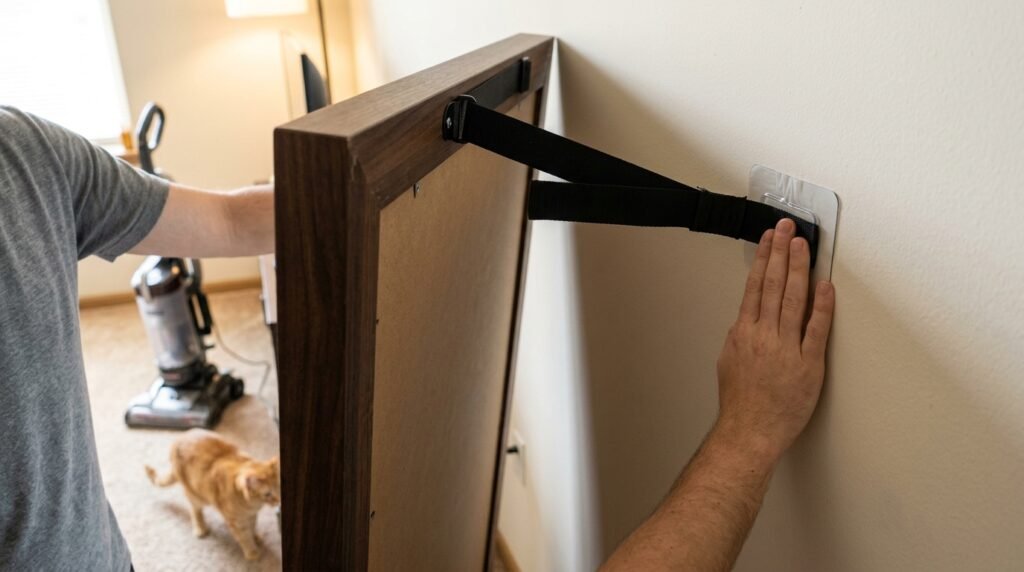
A leaning floor piece still needs a wall anchor at the top to prevent tipping. You can buy simple anti-tip furniture straps on Amazon for about ten dollars. Attach one end to the back of the wooden frame and stick the other end firmly to the wall.
This prevents the heavy glass from falling forward if you accidentally bump it with the vacuum. It provides absolute peace of mind, especially if you have curious pets running around. Safety must always come before aesthetics in a tight footprint.
Step 6: Avoid the mirrored furniture trap
People often assume that more reflective surfaces equal a larger room. They buy mirrored nightstands, reflective coffee tables, and glass desks. This quickly turns a cozy apartment into a confusing funhouse.
Too many reflective surfaces create extreme visual chaos. Your eye never knows where to rest because everything bounces light constantly. It makes the room feel busy, loud, and incredibly cluttered.
Sticking to the walls
Keep your reflective surfaces strictly on the vertical walls. Choose solid wood or matte metal for your actual furniture pieces. This grounds the room and provides a solid visual foundation.
You want the glass to act as an architectural feature, not a decorative gimmick. Restraint remains the absolute key to sophisticated budget decorating.
Step 7: Create a faux window in a dark hallway
Narrow hallways feel like dark tunnels in most standard rental units. They lack natural light and usually feature awful overhead lighting. You can break up this tunnel effect easily with the right shape.
Buy a frame that mimics the exact shape of a window pane. Many discount stores sell pieces with wooden grids overlaid on the glass. Hang this piece at the exact height a real window would sit.
Expanding narrow spaces
This tricks your brain completely as you walk down the dark hallway. Your peripheral vision registers the wooden grid and the reflection as an actual opening. It makes the tight corridor feel significantly wider.
It also gives you a highly functional spot to check your outfit before leaving the apartment. Combining function and optical illusions is the best way to maximize a rental.
Step 8: Source affordable frames and glass
Buying brand new, massive glass pieces from retail stores costs a fortune. You can easily spend five hundred dollars on a simple floor model. Renters on a strict budget need much better sourcing strategies.
Thrift stores, estate sales, and online marketplaces offer the absolute best deals. Older pieces often feature heavy, solid wood frames that you cannot find in modern discount stores. You just have to look past the ugly paint colors.
Upcycling old finds
A single can of matte black spray paint fixes almost any dated wooden frame. Just use masking tape and newspaper to cover the glass completely before painting. This simple DIY project saves hundreds of dollars instantly.
If you want more sourcing secrets, check out the best thrift store finds for home decor (and what to skip). Knowing what to look for makes the hunt much easier and far less overwhelming.
Step 9: Group smaller pieces strategically
Sometimes you simply cannot find or afford a massive floor model. You might only have access to smaller, cheaper pieces from the local craft store. You can still use these effectively if you group them correctly.
Do not scatter small frames randomly across every single wall in the room. This makes the apartment look disorganized and messy. You must group them closely together to create a single, unified focal point.
Creating a reflective gallery wall
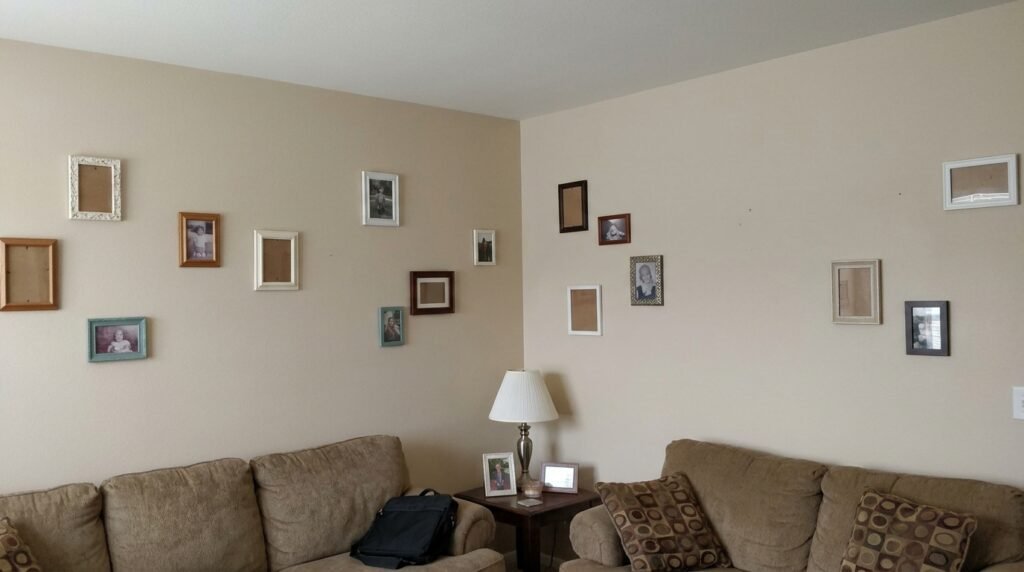
Treat a collection of small reflective frames exactly like a gallery wall of art. Hang them close together on one specific accent wall. Keep the spacing between the frames tight, usually around two to three inches apart.
This tight grouping acts as one large reflective surface for the room. It bounces a significant amount of light without requiring a massive budget. It also adds a ton of texture and visual interest to a boring white wall.
Mixing shapes and finishes
If you choose to group smaller pieces, stick to a highly unified theme. You can mix different shapes like circles and squares if the frames all feature the same color. A collection of all thin black frames looks cohesive and very intentional.
Alternatively, you can mix different frame materials if the shapes remain identical. A wall of identical round pieces in various brass and wood finishes looks highly customized. Consistency in either shape or color prevents the wall from looking chaotic.
Making your space feel like home
Living in a compact footprint does not mean you have to feel trapped inside a box. You hold the power to change how the space feels through clever placement. A few pieces of well-placed glass can alter the entire physical dynamic of an apartment.
You do not need to hire an expensive interior designer or beg your landlord for better overhead lighting. You just need to understand how light bounces and where to direct it. Using mirrors to make room look bigger effectively takes patience and a little trial and error.
Grab a tape measure right now and check the exact dimensions of the blank wall across from your window. Go to your local thrift store this weekend and hunt for a heavy frame that fits that space perfectly.

Fabiana Moura is a decor enthusiast and renter based in Denver, CO. After five moves in eight years, she became obsessed with making small spaces feel like home — without renovation, without a big budget, and without losing the security deposit. At Inovaty, she shares everything she’s learned along the way.